.svg)


Have you ever sat down to work on a crucial project only to have it interrupted by a co-worker stopping by your desk or the ping of a new message? In today's constantly on workplace, such distractions might seem to go on forever. Deep work, or the capacity to concentrate on challenging activities without distraction, is becoming more and more valued. The ability to think deeply, be creative, and solve problems is what distinguishes professionals as regular jobs become automated. Let's discuss the importance of deep work, the challenges we encounter, and how to develop this crucial habit.
Why deep work matters
Working smarter and getting to the core of your skill is what deep work is all about, not putting in more hours. Several significant things occur when you set aside time for uninterrupted concentration:
- Quality improves: Without constant context switching, you produce better results in less time.
- Skills develop faster: Your brain engages fully with the material, allowing you to learn complex skills more efficiently.
- Work feels meaningful: Progress on challenging tasks is satisfying because you see tangible results instead of chipping away at never‑ending busywork.
Research provides an explanation for why you feel worn out after a long day of emails and meetings: even a short interruption can cause your brain to lose focus, and it can take anywhere from eight to twenty-five minutes to get back on track. When you multiply it by the numerous disruptions we experience every day, it becomes clear why we are busy but not always productive..
Shallow work vs. deep work
Not every endeavour calls for laser-like concentration. Answering emails, going to status meetings, and preparing documents are examples of shallow labour. Although they keep things going, these activities seldom ever make a difference. On the other side, deep work is the labour-intensive process that propels innovation, such as creating a new product strategy, producing a research paper, coding intricate systems, or creating a perception-altering marketing campaign. It's the distinction between continuing business as usual and coming up with something fresh.
The barriers to deep work
1. Open offices
Collaboration is frequently emphasised in modern companies, although this can unintentionally undermine concentration. According to research, open-plan employees are less happy with communication and consider noise to be the main cause of distraction. Employees waste more than 21 minutes a day on conversational interruptions, which makes speech in particular virtually hard to focus on.
2. Digital distractions
Social media, texting applications, and smartphones are all made to draw attention. An interruption of even two seconds might cause someone to lose their stream of thought. Your day becomes even more fragmented when you check one notification since it frequently starts a chain of diversions.
3. Always‑On culture
Many organizations equate availability with productivity. The pressure to respond instantly means your day is dictated by other people’s priorities. Without boundaries, your best thinking never gets a chance to surface.
4. Lack of boundaries and recovery
When work spills into personal time, there’s little space for recovery. Without rest, it’s hard to muster the mental energy needed for deep work. Burnout is a real risk, especially when constant noise and multitasking leave you drained.
Techniques to Cultivate Deep Work
Time Blocking
Think of deep work as an appointment with your most important work. Schedule specific hours when you’ll dive into a project without interruptions. Let colleagues know you’re in focus mode and resist the urge to multitask during these sessions.
Digital Hygiene
Turn off non‑essential notifications and set designated times to check email or messaging apps. Research has found that even a small interruption can double error rates and significantly extend the time needed to regain focus. Protect your brain by limiting exposure to unnecessary alerts.
Clear Goals
Start each session with a clear objective. Whether it’s completing a chapter, solving a complex bug or drafting a proposal, knowing what success looks like helps you stay on track.
Mindfulness & Breaks
Short meditations, deep breaths or a quick walk can reset your attention. Breaks aren’t wasted time they recharge your focus and keep you from burning out. Remember, the brain can only maintain intense concentration for so long before it needs a rest..
Workspace Optimization
Your environment matters. Acoustic insulation, natural light and ergonomic furniture reduce cognitive strain. A tidy desk and noise‑canceling headphones can help you stay in the zone. Creating a physical space that signals “It’s time to work” makes deep focus feel less like a struggle and more like a natural state.
Coworking Spaces and Deep Work
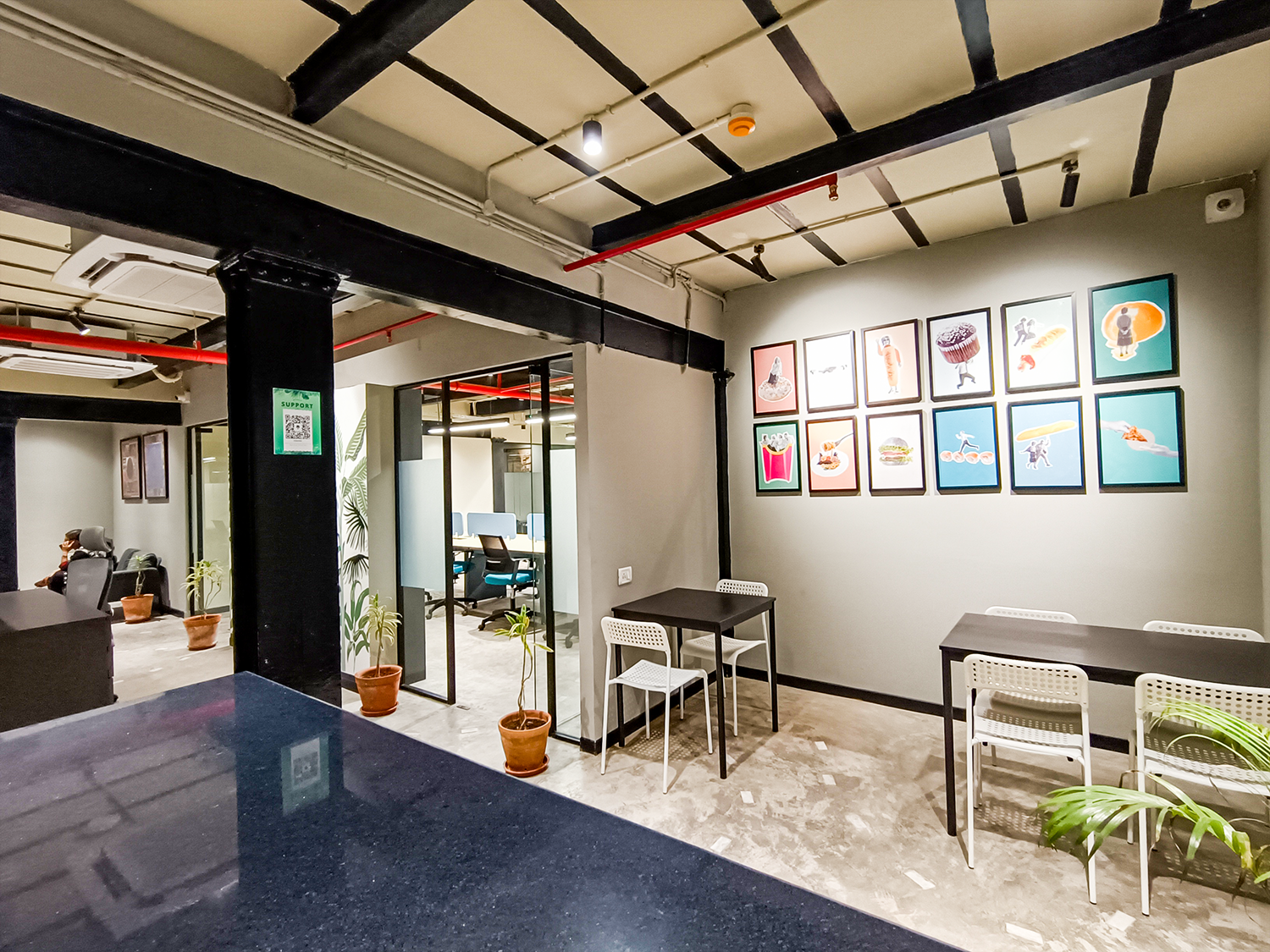
Many professionals find that working from home or noisy coffee shops isn’t ideal for focus. Coworking spaces are evolving to meet this need. Early hubs emphasized buzz and community, but modern professionals want quiet, design‑led environments. Quality coworking spaces now offer:
- Quiet zones with soundproofing and solo pods.
- Ergonomic setups and natural lighting to reduce fatigue.
- Wellness facilities like meditation rooms to aid recovery.
- Community norms that respect focus, allowing members to collaborate intentionally while protecting each other’s deep work sessions.
This shift is happening across India from Bangalore’s fast‑paced startup scene to Kolkata’s growing business hubs and emerging cities like Vizag. The best spaces recognize that professionals need a mix of collaboration and concentration: social areas for brainstorming and private pods for solo work.
The Hybrid Future: Private Cabins in Coworking
As more teams adopt hybrid models, private cabins within coworking spaces offer the best of both worlds. These dedicated offices provide privacy for deep work and brand identity, while still giving access to shared amenities and a vibrant community. It’s flexible, scalable and perfect for decision‑heavy roles.
Deep Work as a Daily Practice
Cultivating deep work isn’t a one‑time fix; it’s an ongoing discipline. Breaking multitasking habits, setting boundaries with technology and protecting your focus are daily acts of self‑care. When you treat your attention as a precious resource, you’ll notice:
- Higher‑quality results and faster progress.
- Less stress and more satisfaction from your work.
- More energy left for your personal life because you’re not burning out on constant context switching.
The Psychological Benefits
Deep work isn’t just good for productivity; it’s good for you. Working in a state of flow where time seems to disappear increases happiness and creativity. In contrast, shallow work leaves you drained and unsatisfied. People who regularly enter deep work report feeling calmer, more resilient and more accomplished.
The Future of Work in India: Quiet Wins
The workplace is changing as a result of automation, which is managing more of the repetitive duties that used to take up our days. Our distinct human contributions judgment, creativity, and strategic thinking become increasingly more significant as this trend continues. Because of this growth, teams who put concentration over craziness will be the most successful. Design-led, quiet workspaces that facilitate in-depth work are emerging as the future's infrastructure.
Developing strong work habits and looking for environments that respect your need for concentrate may change your workweek, whether you're in Bangalore, Kolkata, Vizag, or somewhere else. Imagine having time and energy left over after completing your responsibilities and feeling pleased with the results. It's a move toward more purposeful, satisfying labour rather than merely a productivity trick.
FAQs
1. What is deep work?
Deep work is sustained, distraction-free focus on cognitively demanding tasks that produce high-value outcomes.
2. Why is deep work important in India’s future of work?
Because automation handles routine tasks, productivity now depends on human judgment, creativity, and clarity.
3. How can professionals practice deep work daily?
By time blocking, reducing digital distractions, setting clear goals, and optimizing workspaces.
4. Are coworking spaces suitable for deep work?
Yes modern coworking spaces are evolving to prioritize quiet, focus, and recovery.
5. Which Indian cities are leading this shift?
Bangalore, Vizag, and Kolkata each represent different aspects of India’s evolving workspace strategy.
.jpg)
.png)