.svg)

52% of coworking users are knowledge workers, yet most monthly coworking memberships in Bangalore are still designed around headcount and desk density, not the quality of thinking that happens at those desks.
Monthly coworking membership in Bangalore typically ranges from ₹6,999 per month for a dedicated desk at volume operators to significantly more for private cabins and managed office arrangements. The price spread is wide, but the more important question is what the environment actually does to your thinking, not just what it costs per seat. For founders and small teams doing judgment-heavy work, the wrong membership at the wrong price is still the wrong choice.
Bangalore's coworking market is genuinely large. Bengaluru generated 27.65% of India's coworking office space market share in 2025, backed by some of the deepest technology talent pools in the country. That means you have no shortage of options. It also means the market is saturated with spaces optimising for the same metric: how many seats they can sell per square foot.
This post does something the listing aggregators and generic guides do not. It tells you what the different membership structures actually mean for how you work, and which type of team each one genuinely serves.
What Membership Structures Actually Exist in Bangalore
The market has converged on four recognisable tiers.
The most common entry point is the hot desk or flexi-desk membership. You pay for access to the building. No fixed seat is guaranteed. At volume operators, these start around ₹5,000 to ₹7,000 per month. Day passes at the lower end run roughly ₹300 to ₹500. These memberships suit soloists with genuinely low coordination needs and high schedule flexibility.
Next is the dedicated desk membership. You get a fixed seat, a locker, and the ability to leave equipment overnight. Pricing from aggregators like Cofynd shows these starting at ₹6,999 per month per seat in Bangalore. This tier works for individual contributors who want consistency of environment without the overhead of a private office.
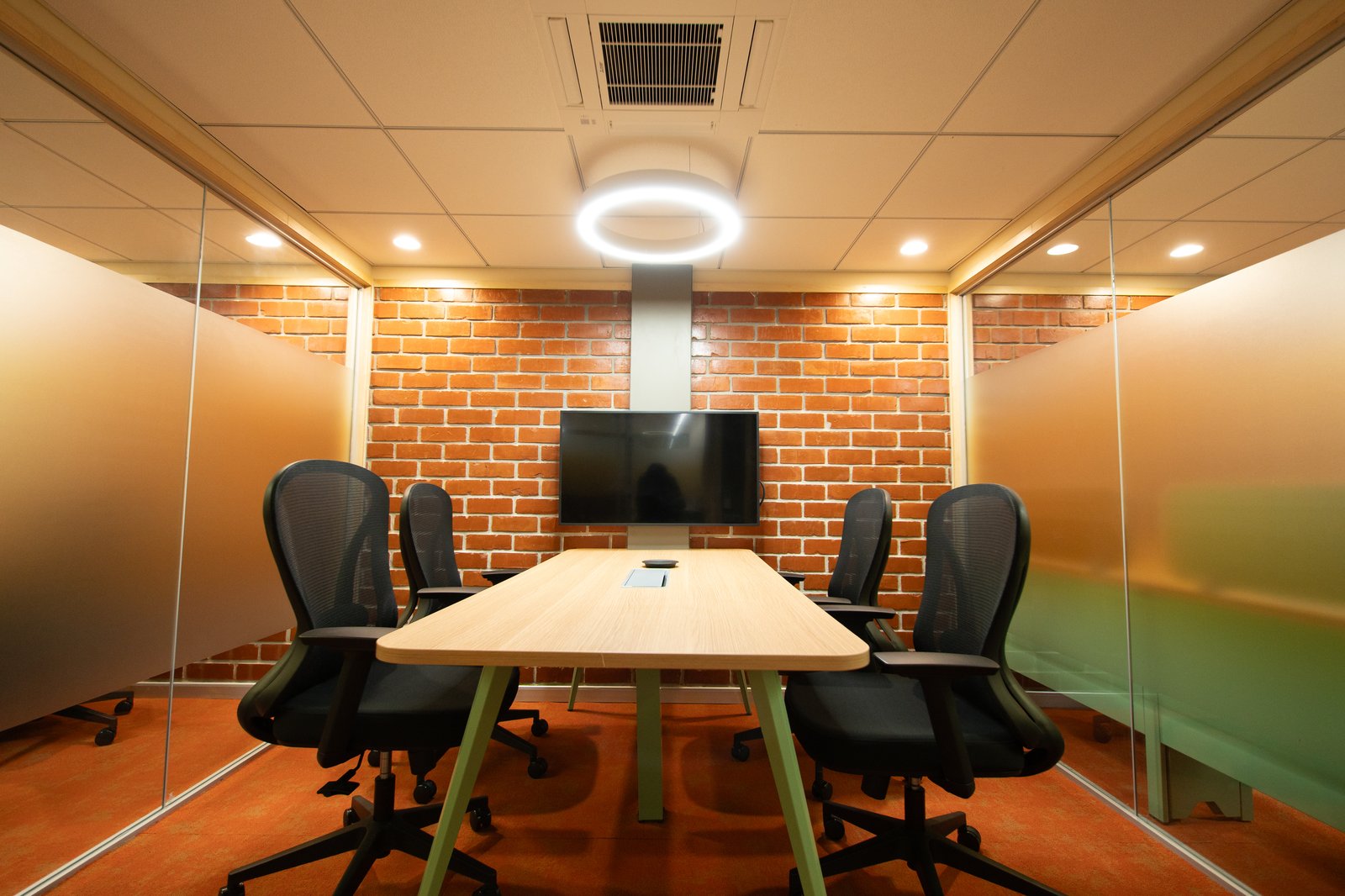
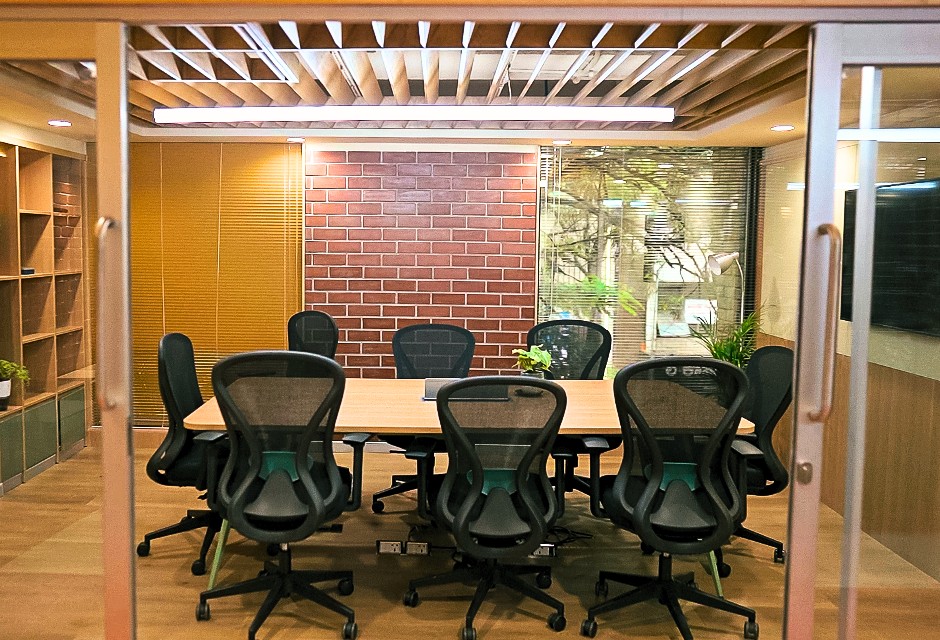
The private cabin or team suite is where things diverge sharply. Pricing here is operator-dependent and starts at ₹8,999 per seat per month at the lower end, scaling significantly with location, fitout quality, and team size. This is ostensibly the product for 2 to 20 person teams, but most operators still sell it on headcount logic, not on what the team actually needs the space to do.
Finally, there are managed office or design-build-manage contracts. These are bespoke floor configurations delivered and operated by the workspace provider for the client. Away's Managed Office product sits here, built for teams that want a fully curated environment without the capital outlay or operational burden of a conventional lease.
What Bangalore's Market Doesn't Tell You About Membership Pricing
Price per seat obscures the single most important variable: what the space encodes behaviourally.
28% of coworking users are from tech and IT startups, the largest single professional cohort. These are the founders making product bets, the operators deciding on hiring, the designers and strategists whose outputs depend on sustained, uninterrupted attention. The spaces being sold to them were largely designed for freelancers and enterprise overflow, not for teams doing work that requires judgment.
The ambient urgency of a standard open-plan coworking floor is not neutral. The visible hustle, the motivational wall graphics, the constant low-grade social performance of being seen to be busy: all of it nudges the people working there toward activity over deliberation. For a team working on a fundraising narrative or a product strategy, that nudge is corrosive in a way that doesn't show up in any membership comparison table.
The workspace you choose is not just a backdrop. It is a decision-support system. Every element of a space, from its acoustic signature to its light quality to the culture encoded in its layout, is constantly shaping the quality of thinking that happens inside it.
The 2 to 20 Person Team Problem in Bangalore
This is the cohort that the standard membership grid fails most visibly.
Startups at this stage are too small for managed office contracts that assume stable headcount and multi-year horizons. They are too coordination-dependent to function well across a collection of hot desks or home setups. They have real privacy needs: conversations about cap tables, performance reviews, strategic pivots. None of these belong in an open-plan floor where the next team can hear everything.
At the same time, their headcount is genuinely fluid. They might be eight people today and fourteen in four months. Or six, after a difficult quarter. Locking into a 30-seat managed office lease is operationally absurd at this stage.
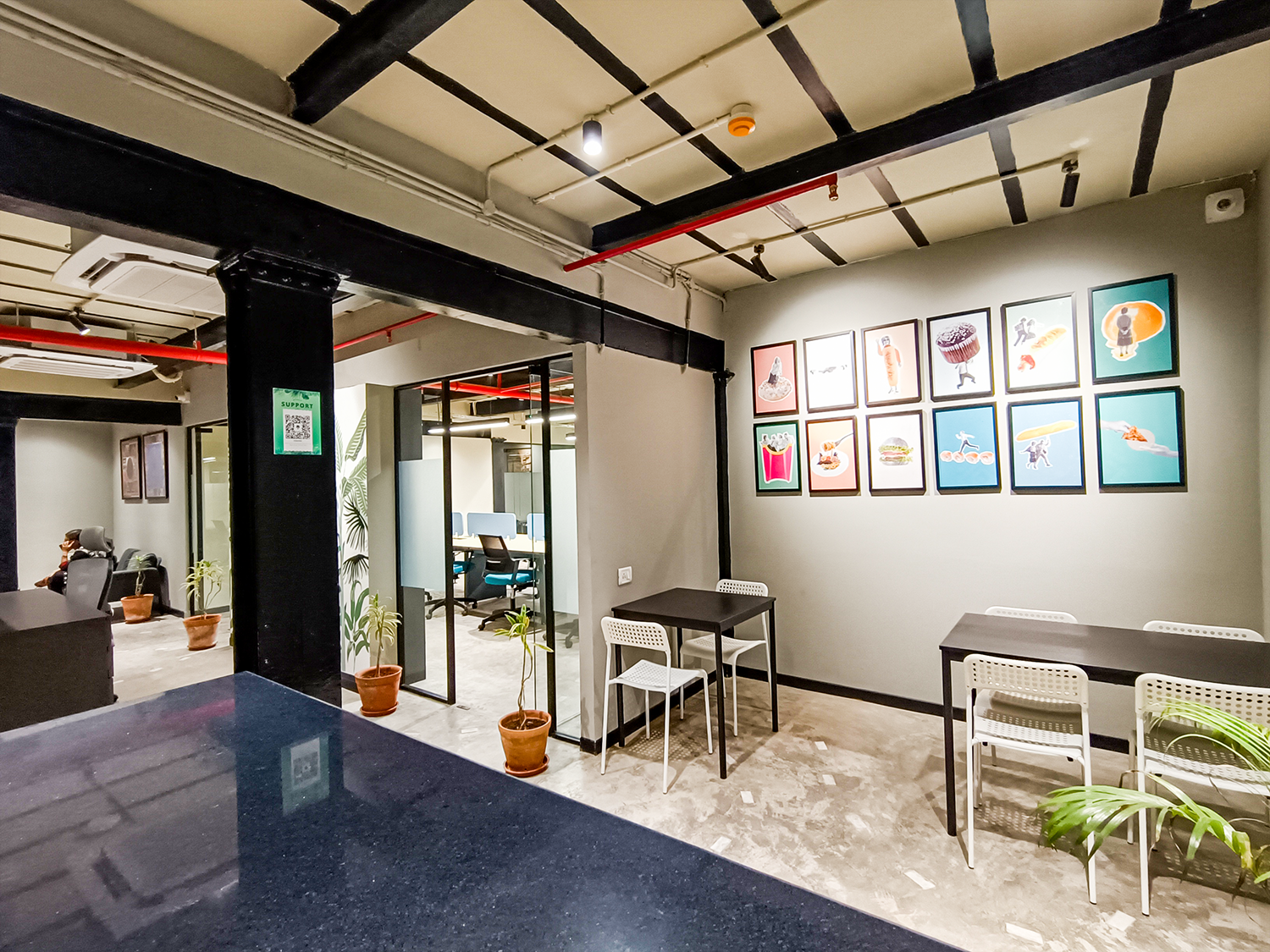
Away's Bangalore space in Koramangala is built with modular, flexible floor configurations, meaning the physical layout adjusts to actual team rhythm rather than forcing the team to accommodate a fixed floor plan. The Talent Pods product specifically addresses the need for enclosed, acoustically separated work for individuals and small groups inside a broader membership context.
What Wellness-Forward Design Actually Means for a Monthly Member
Most coworking operators have a wellness feature. Very few have wellness-forward design.
The difference is structural. A meditation room in a corner is a feature. Natural light across the entire floor, acoustic zoning that separates focus work from collaboration, spatial breathing room that prevents the compressed, overstimulating atmosphere of a densely packed open plan: these are design decisions that change how the building feels at 2pm on a difficult Tuesday, not just during a scheduled wellness activity.
The average coworking member globally is 36 years old. In Bangalore's tech ecosystem, the founders and operators holding monthly memberships are not optimising for a ping-pong table. They have restructured their working lives around sustainable output. What they need is an environment where calm is built into the architecture, not bolted on as a branding exercise.
Away's Stillness Rooms are not a meditation studio separate from the workspace. They are a recognition that cognitive recovery is a legitimate part of a working day for anyone doing serious thinking, and that a workspace which doesn't accommodate that recovery is quietly costing its members their best work.
How to Actually Choose a Monthly Membership in Bangalore
Most people choose by price and location. Both matter, but neither is sufficient.
The right questions are:
The median coworking membership globally is $220 per month. In Bangalore, quality spaces with genuine design intentionality will sit above the bottom of the market on price. The question is whether the delta is justified by what the environment actually does for the work. For teams whose output is judgment, strategy, and direction, it usually is.
Away operates from Koramangala in Bangalore, with additional locations in Vizag's Daba Gardens, Ramnagar, and Kolkata. Each space is built around the same premise: that the workspace should protect the quality of thinking happening inside it, not merely house it.
The fourth wave of work rewards restraint, not throughput. As AI absorbs coordination and operational work, the human output that remains, judgment, taste, and direction, depends on environments that protect attention rather than fragment it.
Choosing a monthly coworking membership in Bangalore is, ultimately, a decision about what kind of thinking your work environment is designed to support. Most options on the market were designed for a different question entirely.
Find the Membership That Fits How You Actually Work
Away's Bangalore space in Koramangala is built for founders and small teams who need calm, design-led environments for judgment-heavy work.
Frequently Asked Questions
What is the cost of coworking space in Bangalore per month?
Dedicated desk memberships in Bangalore start at approximately ₹6,999 per month per seat at volume operators. Private cabins and team suites begin at ₹8,999 per seat per month and scale with location quality, fitout, and team size. Design-led spaces with genuine wellness infrastructure will typically sit above these entry-level figures, reflecting the difference between density-optimised operators and those building for cognitive quality.
What are the disadvantages of coworking spaces?
The most significant disadvantage for knowledge workers is ambient urgency contamination. Standard coworking floors are acoustically and culturally designed for visible activity, which actively disrupts the deliberate, unhurried thinking required for strategic decisions. Other real disadvantages include lack of acoustic privacy for sensitive conversations, inability to customise the environment, and headcount-based pricing that doesn't flex well for teams between two and twenty people.
How much does WeWork membership cost in Bangalore?
WeWork offers month-to-month memberships, dedicated desks, and day passes across its India locations. Specific pricing varies by location and plan type. The more important question for serious founders and small teams is whether a large-format, amenity-heavy operator like WeWork is actually designed for the kind of focused, judgment-intensive work they are doing, or whether it is optimised for enterprise overflow and corporate satellite teams.
Is a monthly coworking membership better than a day pass in Bangalore?
For anyone working more than eight to ten days per month from a coworking space, a monthly membership is almost always more economical than day passes. Day passes in Bangalore typically run ₹300 to ₹500 per day. Beyond the economics, a consistent monthly membership also provides spatial consistency, which matters significantly for cognitive routine and focused work. Away's Book on Demand option offers flexibility for those whose schedules don't yet justify full monthly commitment.
What should a 5 to 15 person startup in Bangalore look for in a coworking membership?
At this team size, the priorities are acoustic privacy for sensitive conversations, spatial flexibility to accommodate headcount changes without lease renegotiation, and an environment that supports both focused individual work and spontaneous team collaboration. Most standard coworking memberships solve for solo workers or large enterprises. Away's modular floor configurations and Talent Pods are specifically designed for teams at this stage, in a space that doesn't force you to choose between focus and connection.
Where is Away's coworking space located in Bangalore?
Away's Bangalore space is located in Koramangala, one of the city's most active neighbourhoods for founders and technology teams. The space is designed around wellness-forward, design-led principles, with modular floor configurations, Stillness Rooms, and an environment built for calm, deliberate work rather than high-density occupancy.