.svg)

Open-plan coworking spaces are loud by design. Built to maximise desk density, not cognitive depth, and freelancers doing judgment-heavy work pay the price every single day.
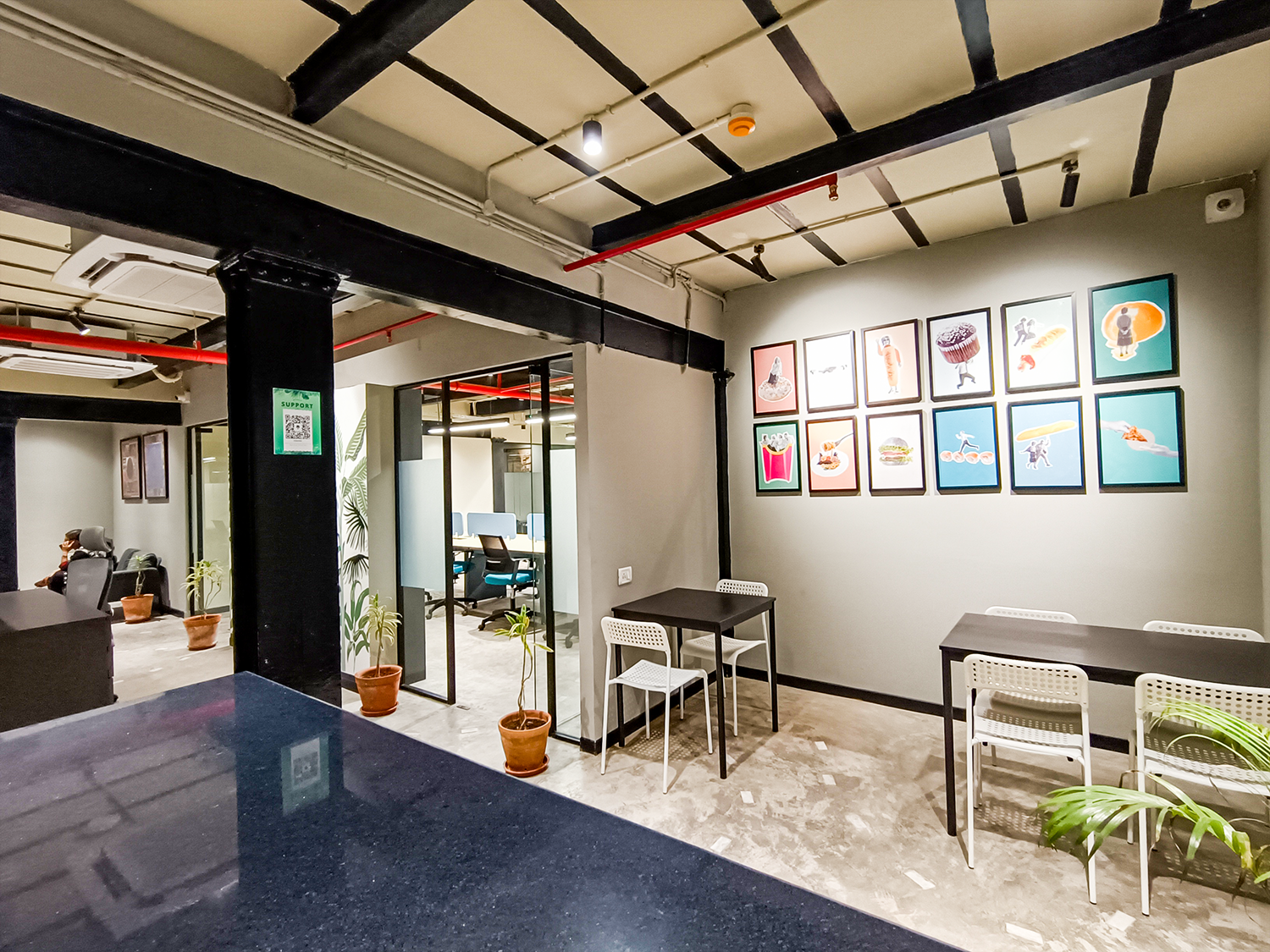
Away in Koramangala is a quiet coworking space designed specifically for the kind of focused, independent work that freelancers need. Located in Koramangala, Bangalore, it offers acoustically considered workstations, Stillness Rooms for deep focus, natural lighting, and a café designed to sustain energy without disrupting concentration. It is not a generic hot-desking floor. It is a designed condition for serious work.
The coworking industry has grown to over 42,000 spaces globally, with a market value of US$20.96 billion as of 2025 and a projected trajectory toward US$58 billion by 2033. The volume is enormous. The quality, for freelancers who need actual quiet, is largely disappointing.
This is not a roundup of twelve spaces with identical bullet points. It is a precise answer to a precise problem: where, in Koramangala, can a freelancer work without losing the mental state their best work requires?
Why Most Coworking Spaces Fail Freelancers Specifically
The dominant coworking model was not built for you.
It was built for a version of work that was coordination-heavy, team-large, and always-on. Hot desks, high-energy common areas, and "community" events designed to generate activity rather than depth. That model served a particular moment. For a freelancer whose most valuable output is a proposal, a design direction, a brief, a strategy, or a decision, that model imposes what you might call an invisible attention tax: a steady drain on cognitive quality that does not appear on your invoice but compounds quietly in the calibre of your work.
74% of coworking members report feeling more productive in shared spaces. But that number includes everyone working from a coworking space, including those doing email and logistics. For freelancers doing judgment-heavy work, the gap between a well-designed quiet space and a chaotic open floor is the difference between a good day and a lost one.
The problem is spatial design mistaken for a real estate decision. When a space is designed to pack in as many desks as possible and measure success by occupancy rate, the acoustic environment, the light quality, and the psychological texture of the place become afterthoughts. Freelancers end up buying noise-cancelling headphones to solve a design problem that should have been solved before the first chair was placed.
What "Quiet" Actually Means in a Coworking Context
Quiet is not merely the absence of sound.
A space that is technically quiet can still be cognitively disruptive. Constant movement in peripheral vision, harsh fluorescent lighting, the low-grade anxiety of not having a consistent seat, the visual clutter of a space that hasn't been designed with restraint. All of these fragment attention just as effectively as noise. Real quiet is a designed condition: light that does not tire the eyes, workstations that signal permanence and ownership, boundaries between focus zones and social zones, and spaces that exist specifically for stillness when you need to step away from a screen.
This is the distinction that most coworking roundups miss. They list "quiet zones" as a feature bullet point without examining whether the underlying spatial logic of the space actually supports focus or merely designates a corner of the open floor as nominally quieter than the rest.
When AI absorbs coordination and busywork, what remains is judgment, taste, and direction. The quality of your environment is now a direct input into the quality of your output. This is not a productivity claim. It is a structural observation about what freelance work has become.
Away in Koramangala: What Is Actually Different
Away was built on a specific conviction: that physical space is a design problem, not a real estate problem.
The Away space in Koramangala, Bangalore reflects that conviction in every considered detail. Natural lighting is not incidental. It is designed in. Workstations are ergonomic and oriented to reduce ambient visual distraction. The space does not attempt to be energetic or buzzy, because the people it is built for do not need energy injected from their environment. They need their environment to get out of the way.
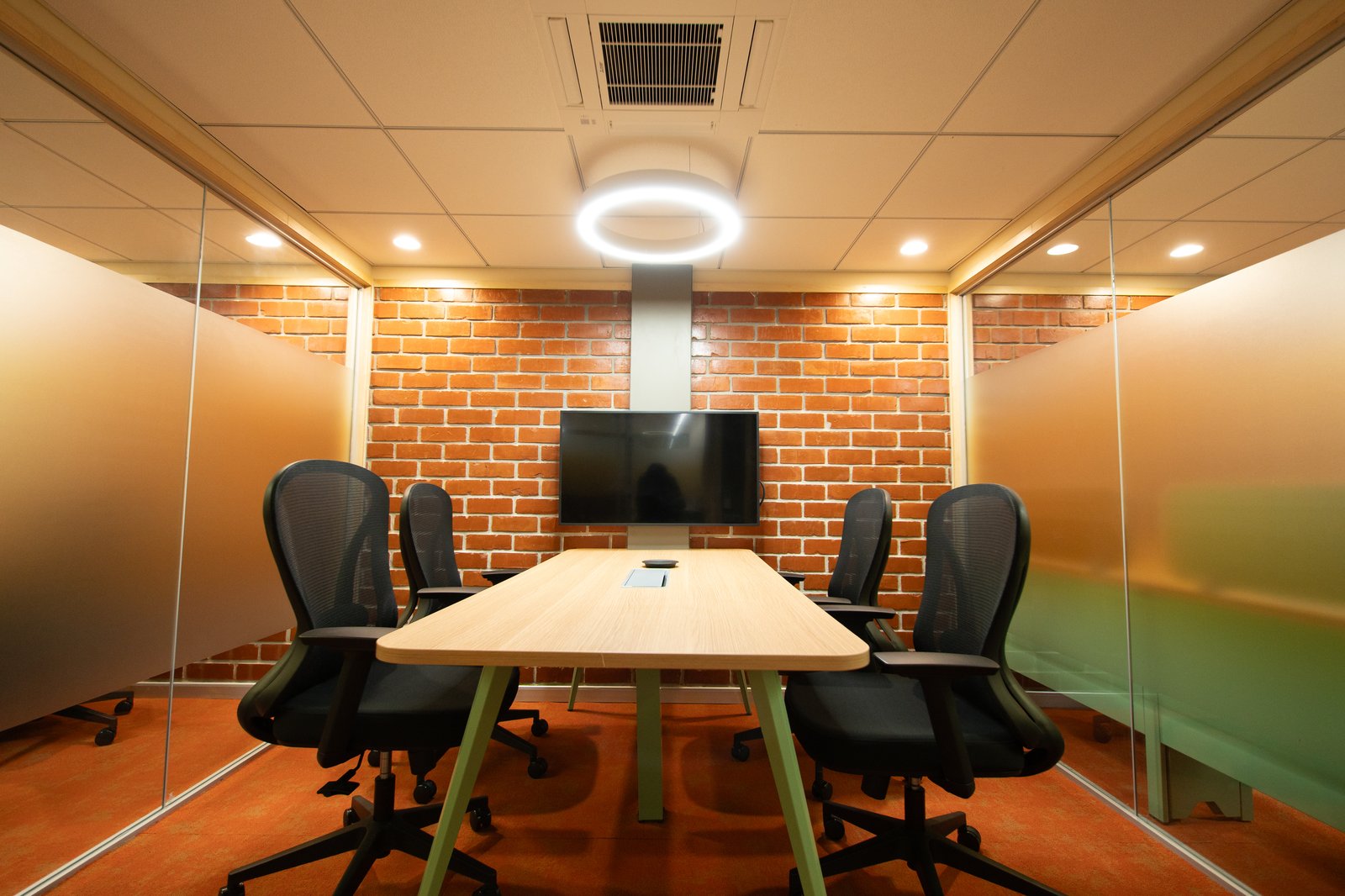
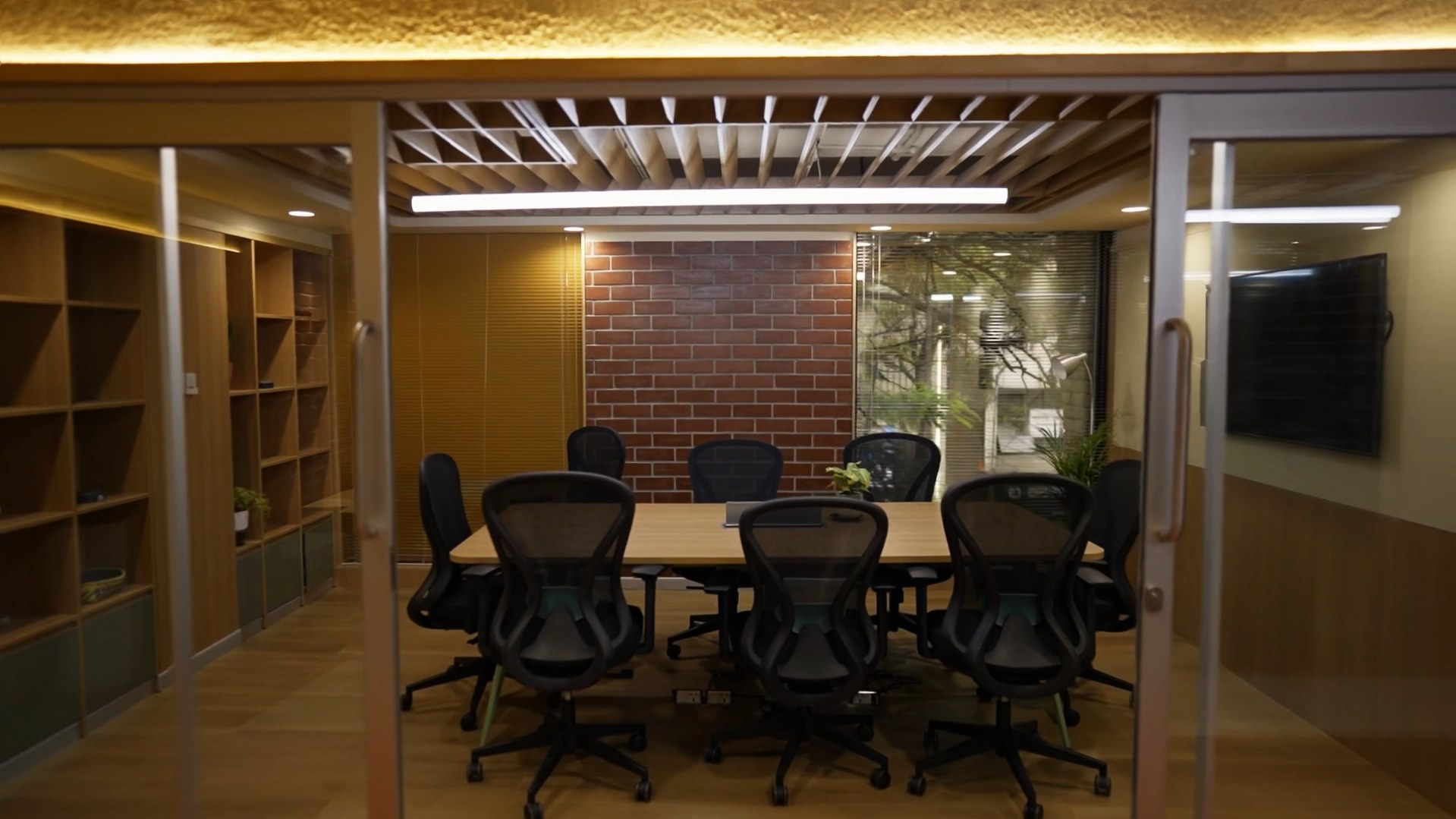
The Stillness Rooms are Away's most differentiating physical asset. These are not phone booths retrofitted into an open floor. They are purpose-designed spaces for the moments in a freelancer's day when the work demands complete withdrawal from ambient stimulation: a brief before pitching, a strategy document that requires real thought, or simply a mid-afternoon moment of recovery that prevents the cognitive degradation that accumulates after five hours of open-environment work.
The Reset Bar functions as a considered food environment. The premise is that the quality of what you consume during the workday is a direct input into cognitive performance. A café designed around energy stability rather than convenience treats the afternoon energy crash not as inevitable but as a design failure. Away treats it as the latter.
Membership Tiers Designed for How Freelancers Actually Work
Freelancers do not have uniform work patterns, and Away does not offer a uniform membership structure.
The Drift Pass allows fluid, non-committed access to the space without locking a freelancer into a monthly overhead that does not match their actual schedule. This is not a casual option. It is an intentional one: it positions workspace as something you choose deliberately on the days your work demands it, rather than something you feel obligated to justify by showing up daily. The Drift model treats mobility as a considered practice rather than an uncommitted one.
For freelancers who have moved past the phase of variable schedules and want the psychological anchor of a fixed place, the Station tier offers a dedicated desk. The word is deliberate. A station implies rootedness, a place where your instruments are arranged the way you arranged them. It is the difference between setting up every morning and arriving.
You can explore both options and book on demand through Away's platform without committing to a long-term arrangement before you have experienced the space.
The Wellness Layer That Most Coworking Spaces Announce and Away Designs In
The freelance ICP has been burned by "wellness-forward" claims before.
A fruit bowl and a motivational print on the wall are the coworking industry's version of declaring a product "artisanal." The word does real work until it does not. Away's approach is different in kind, not just degree: the wellness conditions at Away are designed into the spatial logic of the space, not added as amenities after the floor plan was fixed. Light, acoustic design, food quality, and dedicated recovery spaces are not features bolted onto a standard coworking offering. They are the offering.
Away also runs yoga sessions within the space, treating movement not as an extracurricular activity but as a legitimate part of the workday for people whose jobs are cognitively demanding. This is a meaningful distinction. A freelancer who incorporates movement at midday is not being indulgent. They are managing their most important professional asset.
Koramangala as a Context for This Kind of Work
Location matters for reasons beyond commute.
Koramangala has accumulated a particular density of independent operators, founders, designers, and consultants over the past decade. The neighbourhood is not merely convenient; it is an ecosystem in which the freelance professional is a normal, recognised type. The clients who commission your work, the collaborators you might need, and the informal professional culture that shapes how you think about your own practice. All of this is geographically concentrated in Koramangala in a way that matters.
A quiet coworking space in this neighbourhood is not just a place to work. It is a positioned decision about what kind of professional you are choosing to be, and what kind of proximity you are choosing to maintain.
The right coworking space should be unremarkable in the best sense. It should disappear, and let the work be what is noticeable.
The Honest Case Against Away (And Why It Still Wins)
Away is not for everyone, and that is intentional.
If you are looking for a high-energy, event-heavy environment with constant networking opportunities and a social atmosphere that substitutes for the office culture you miss, Away is not that space. Its design is oriented toward restraint, not stimulation. The community that forms here does so around shared standards of work rather than shared amenities. If you need to be surrounded by visible busyness to feel motivated, the quieter texture of Away will feel underscaled.
For a freelancer whose measure of a good day is the quality of the work they produced and not the number of people they spoke to, this is not a drawback. It is the point. The coworking industry added hundreds of new spaces in a single quarter in 2026 alone. Volume is not the constraint. Finding a space designed for your actual cognitive requirements is.
Work from a space designed for the work you actually do.
Away in Koramangala is open to freelancers who want quiet, design, and the conditions for their best thinking. No long-term commitment required.
Get Started →Frequently Asked Questions
How much does a coworking space cost per day in Koramangala?
Day pass pricing in Koramangala varies by space and tier. Away offers Drift Pass access for flexible, non-committed use without a monthly lock-in. For current pricing, the most accurate option is to check Away's booking platform directly at app.away.center, where day and monthly options are listed with current rates.
Are coworking spaces actually quiet enough for focused freelance work?
Most are not. Standard open-plan coworking spaces are designed around desk density and social activity, which actively disrupts the focus states that writing, design, strategy, and similar freelance work demand. Away is a deliberate exception: the space is built with acoustic consideration, designated Stillness Rooms, and a spatial logic oriented toward depth rather than activity. The difference is design intent, not just a quiet zone sticker on a corner of the floor.
What are the disadvantages of coworking spaces for freelancers?
The main disadvantages are noise and interruption from open-plan layouts, the cognitive cost of hot-desking without a consistent workspace, the social pressure of "networking" environments when you need to focus, and wellness conditions that are either ignored or performed. Away addresses all four by design. The disadvantage Away does not solve is the preference for a social, high-energy atmosphere. If that is what you need, Away is not the right fit.
Does Away in Koramangala offer day passes, or is it monthly only?
Away offers a Drift Pass for freelancers who want flexible access without committing to a monthly membership. This is designed specifically for the variable schedules that freelance work involves. Monthly Station memberships with a fixed dedicated desk are also available for freelancers who prefer the consistency of an anchored workspace.
What amenities does Away in Koramangala offer beyond a desk?
Away in Koramangala includes Stillness Rooms for deep focus, The Reset Bar café with food and drinks designed for cognitive stamina rather than just convenience, natural lighting, ergonomic workstations, yoga sessions integrated into the weekly schedule, and a community formed around shared standards of work rather than social programming. These are not add-on amenities. They are the core spatial and service logic of the space.
Is Koramangala a good location for freelancers to work from?
Koramangala has one of the highest concentrations of independent professionals, founders, designers, and consultants in Bangalore. The neighbourhood's density of potential clients, collaborators, and professional peers makes it a genuinely strategic choice for a freelancer, not merely a convenient one. A well-designed quiet coworking space in this location compounds that advantage rather than neutralising it through a chaotic environment.